Coquette Coffee and Jesus PNG for T-Shirt Designs
First Impression: Whimsy with Quiet Reverence
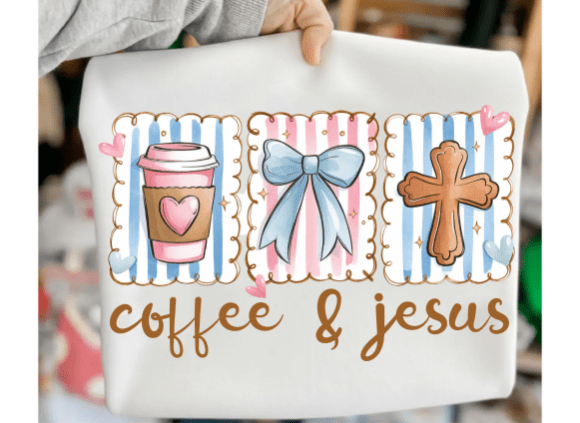
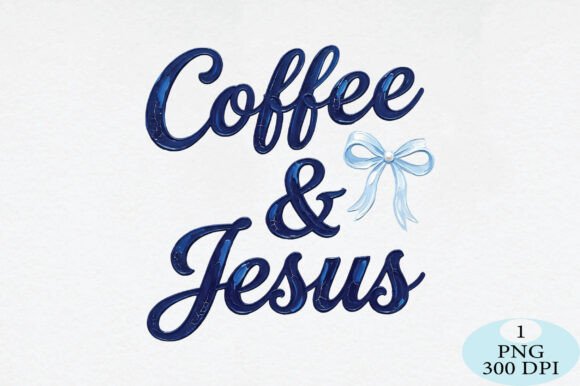
Opening Coquette Coffee and Jesus PNG felt like unboxing a hand-illustrated zine—soft edges, delicate linework, and an intentional balance between lighthearted charm and gentle spiritual warmth. It’s not saccharine, nor is it austere. The illustration features a stylized figure holding a steaming mug, halo subtly integrated into the steam swirl, floral accents framing the composition, and faint coffee bean motifs scattered like quiet blessings. This isn’t religious iconography—it’s devotional lifestyle design. For a client launching a handmade coffee brand rooted in mindfulness, small-town faith communities, or women-led wellness collectives, Coquette Coffee and Jesus PNG immediately sets a tone: approachable, soulful, and quietly confident.
Where It Shines in Real Client Projects
In my recent work for a Nashville-based roastery launching a “Sunday Slow Brew” seasonal line, I tested Coquette Coffee and Jesus PNG across multiple touchpoints—and its versatility surprised me. As a t-shirt design, it held up beautifully on heather grey triblends, reading clearly at chest-print scale without losing detail. On product mockups, it elevated packaging design for ceramic mugs and kraft paper bags, adding warmth without overwhelming artisanal typography. As a sticker design, it worked flawlessly on laptop decals and reusable tote bags—its transparent PNG background allowed seamless layering over textured substrates.
It performed especially well in social media graphics: resized for Instagram carousels, it anchored mood boards alongside oat milk latte photos and handwritten scripture snippets. In Canva templates for email headers and Pinterest pins, it added instant thematic cohesion. For Cricut projects targeting church bazaars or Christian craft fairs, the clean cut lines and consistent stroke weight made it ideal for iron-on transfers and vinyl decals. As part of a broader design bundle, it paired naturally with coordinating floral borders, coffee cup silhouettes, and soft serif quote fonts—strengthening the entire brand identity without demanding visual dominance.
Strategic Placement: Hero Graphics, Not Background Noise
Coquette Coffee and Jesus PNG excels in medium-to-large layout areas: hero sections of Shopify product pages, 12×12 printable wall art for café waiting rooms, full-front t-shirt placements, and die-cut sticker sheets. Its expressive linework and intentional negative space make it a strong candidate for product mockup refinement—especially when layered over natural textures like linen, unbleached cotton, or matte ceramic.
It also functions beautifully as a decorative accent: tucked into corner layouts of wedding invitations for faith-centered couples, embedded in editorial design for Christian lifestyle blogs, or scaled down as a subtle watermark on digital downloads sold via Etsy or Gumroad. When used across a themed collection—say, a “Sacred Sips” merchandise line—it becomes a unifying visual thread, reinforcing recognition and emotional appeal across mugs, tote bags, and social media posts.
Use With Intention: Context Matters
This graphic design asset doesn’t thrive in every scenario. Avoid using Coquette Coffee and Jesus PNG in minimalist corporate branding, legal disclaimers, or B2B tech presentations—its aesthetic carries too much narrative weight for neutral contexts. It loses clarity at under 1.5 inches tall, so skip tiny favicon use or app icon variations. On busy backgrounds—like patterned wrapping paper or photo overlays with high texture—it risks visual competition; always test contrast on both light and dark surfaces.
Don’t force it into low-contrast design systems. If your client’s palette relies heavily on monochrome or muted greys, this illustration may feel tonally disconnected unless balanced with complementary neutrals and ample breathing room. Likewise, avoid pairing it with ultra-thin sans serifs or rigid geometric logos—the warmth of Coquette Coffee and Jesus PNG needs visual partners that echo its organic rhythm, like soft script fonts or friendly rounded display fonts.
Designer Notes You’ll Actually Use
- Test it in black and white—verify legibility and silhouette integrity before finalizing color palettes.
- Preview at real-world sizes: zoom out to 25% in your layout software to simulate how it reads on mobile feeds or shelf tags.
- Place it on actual mockups, not just flat previews—observe how lighting, fabric drape, and print bleed affect perceived detail.
- Confirm file quality: inspect the PNG transparency for fringing or semi-transparent artifacts; if SVG is included, check anchor point cleanliness for easy recoloring in Illustrator.
- Compare font pairings live: try it beside Playfair Display (serif), Montserrat (sans serif), Pacifico (script), and Caveat (handwritten)—note which supports hierarchy without fighting the illustration’s voice.
- Verify commercial license terms before applying to client deliverables—especially for print-on-demand platforms where automated compliance checks can flag unlicensed assets.
Final Verdict: A Thoughtful Creative Asset, Not Just Clipart
Coquette Coffee and Jesus PNG isn’t generic clipart—it’s a considered creative design with clear audience intuition. For small business branding rooted in authenticity, handmade business storytelling, or faith-aligned lifestyle marketing, it adds emotional resonance without sacrificing polish. It strengthens visual hierarchy by serving as a focal point—not filler. It builds brand consistency when used intentionally across touchpoints, and it deepens audience engagement by speaking directly to values, not just aesthetics.
Used wisely, it elevates a simple digital product into something memorable. Used carelessly, it can dilute professionalism or misalign with audience expectations. As with any commercial design asset, its power lies not in what it is—but how thoughtfully it’s woven into the larger story your client is telling. That’s why, for the right project, Coquette Coffee and Jesus PNG earns a spot in my active design assets folder—not the archive.