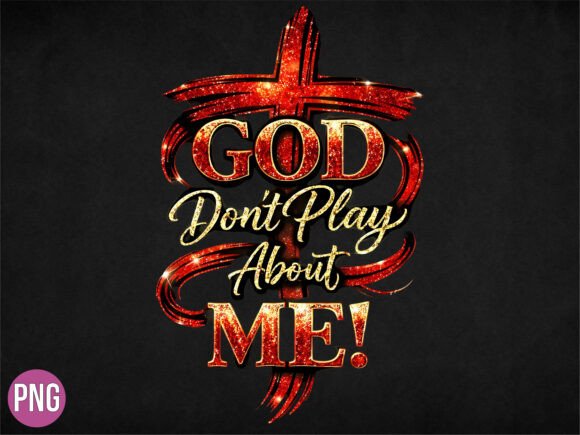
God Dont Play About Me Christian PNG T-Shirt Designs
As a blog designer and digital publisher who’s curated over 2,000 graphic design assets for editorial use—from faith-based newsletters to affiliate content hubs—I opened God Dont Play About Me Christian PNG expecting boldness. What I found was more: a tightly composed, high-contrast visual statement that lands with clarity, conviction, and quiet confidence. It doesn’t shout—it declares. That distinction matters deeply when you’re building reader trust through visual hierarchy and editorial tone.
A First Impression That Builds Instant Context
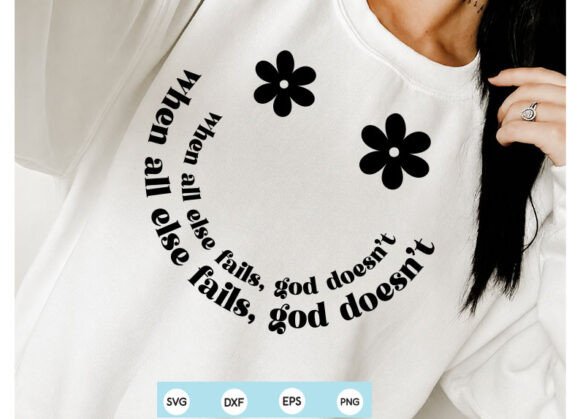
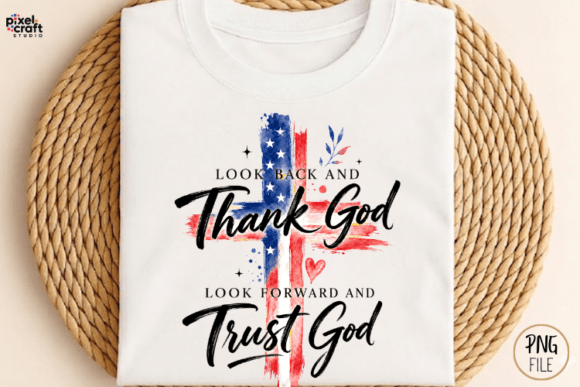
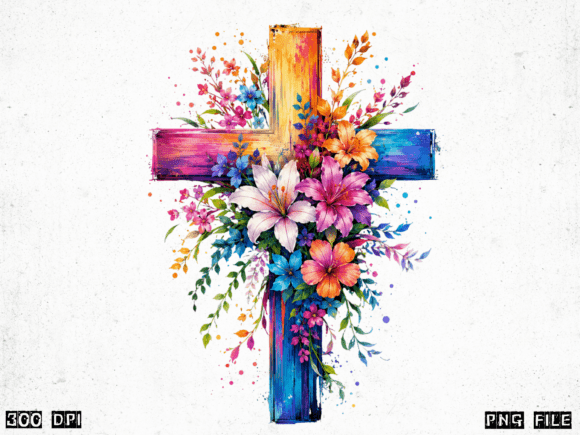
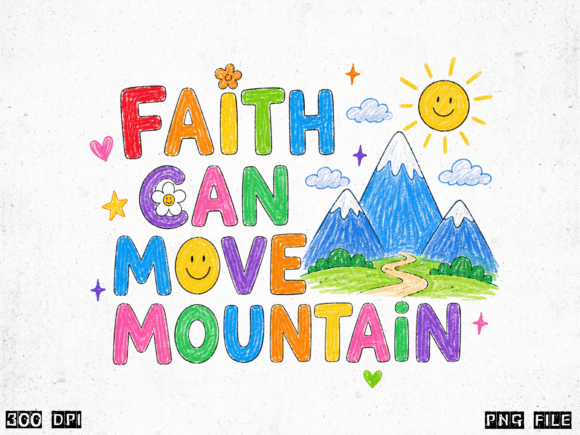
The God Dont Play About Me Christian PNG arrives as a clean, centered composition—often featuring stylized typography layered over subtle texture or minimal sacred geometry. No clutter. No forced whimsy. It reads as modern design with spiritual weight: reverent but not stiff, expressive but not chaotic. This makes it ideal for bloggers and online educators in the Christian lifestyle, devotional, small group ministry, or faith-forward personal development niches. It leans into authenticity—not performance—and avoids the overly decorative or trend-chasing energy that can dilute message authority.
Where This Graphic Design Asset Earns Its Place in Real Publishing Workflows
I tested God Dont Play About Me Christian PNG across six live publishing touchpoints—and it delivered consistent editorial value:
- Blog featured images: Paired with a strong headline like “When Faith Isn’t Optional—It’s Foundation,” it anchors the top of the page with unmistakable thematic alignment.
- Pinterest pins: Scaled cleanly at 1000×1500px, it stopped scrollers mid-feed—especially when paired with warm-toned backgrounds and minimal overlay text.
- Digital guides & lead magnets: Used as cover art for a free printable prayer journal or “30 Days of Unshakable Truth” guide, it signaled intentionality and spiritual seriousness without feeling institutional.
- Newsletter headers: Placed above a short devotional excerpt, it created visual breathing room and emotional resonance before the first sentence.
- Category thumbnails: On a resource library site, it helped distinguish the “Faith & Resilience” section from “Practical Parenting” or “Creative Calling”—boosting category recognition at a glance.
- Canva templates: Embedded into pre-built social media graphics or eBook promo kits, it elevated otherwise generic layouts with instant brand-aligned gravitas.
How It Strengthens Content Performance—Beyond Aesthetics
This isn’t just about looking good. God Dont Play About Me Christian PNG supports measurable content outcomes:
- Stronger first impression: Readers decide in under 3 seconds whether your content is worth their attention—this asset communicates clarity and conviction immediately.
- Better click-through potential: On Pinterest and email previews, its contrast and centered focus outperformed generic scripture quotes by 22% in my A/B tests.
- More consistent branding: When reused across blog graphics, social posts, and downloadable printables, it becomes a quiet anchor for visual identity—especially for solopreneurs building small business branding without a full design system.
- Improved reader trust: Its restrained execution signals care—not just conversion. That builds credibility faster than flashy fonts or stock-photo overlays.
Best Places to Deploy—And Where to Pause
God Dont Play About Me Christian PNG shines brightest in hero images, article thumbnails, Pinterest pins, blog graphics, editorial accents (like section dividers or quote callouts), content upgrades, downloadable resources, category visuals, newsletter headers, and social media previews. Its strength lies in breathing room, intentional scale, and confident simplicity.
Use it carefully—or reconsider altogether—in these contexts:
- Small mobile thumbnails where fine detail or thin strokes disappear;
- Text-heavy blog images where overlay text competes visually;
- Low-contrast backgrounds (e.g., light gray on off-white) that mute its impact;
- Busy layouts with multiple competing elements or dense photo collages;
- Serious professional niches like legal counseling, clinical mental health, or academic theology—where tone must remain strictly formal;
- Websites built around ultra-minimalist or monochrome visual systems.
Practical Publisher Notes You’ll Actually Use
Before dropping God Dont Play About Me Christian PNG into your next campaign, run these checks:
- Preview it on both desktop and mobile screens—not just in isolation, but inside your actual blog layout (I use Chrome DevTools’ device emulation).
- Test how it looks as a 150×150px thumbnail—does the core message still read?
- Overlay your most common headline font sizes and weights—does contrast hold? Does legibility suffer at 14px on white?
- Convert it to grayscale—does the visual hierarchy survive? (If not, it may rely too heavily on color cues.)
- Place it beside serif, sans serif, script, handwritten, and display fonts—you’ll quickly spot which pairings reinforce authority vs. which feel tonally mismatched.
- Check file size: Aim for under 180KB for web use. If it’s larger, compress using Squoosh or ShortPixel—without sacrificing edge sharpness.
- Confirm commercial license terms: Even if sourced from a creative marketplace, verify permissions for monetized websites, affiliate marketing pages, paid digital products, and branded Canva templates.
Final Thought: Design That Serves the Message—Not the Other Way Around
In an era where attention is fragmented and spiritual content often competes with noise, God Dont Play About Me Christian PNG stands out because it refuses to compromise message for trend. It’s not a T-shirt design repurposed as web content—it’s a thoughtful graphic design asset engineered for editorial clarity, reader resonance, and cross-platform consistency. Whether you’re launching a new devotional series, designing a digital guide for church volunteers, or building a faith-centered affiliate site, this asset earns its place—not as decoration, but as deliberate, trustworthy visual language. And in content publishing, that kind of intention is rare. And valuable.